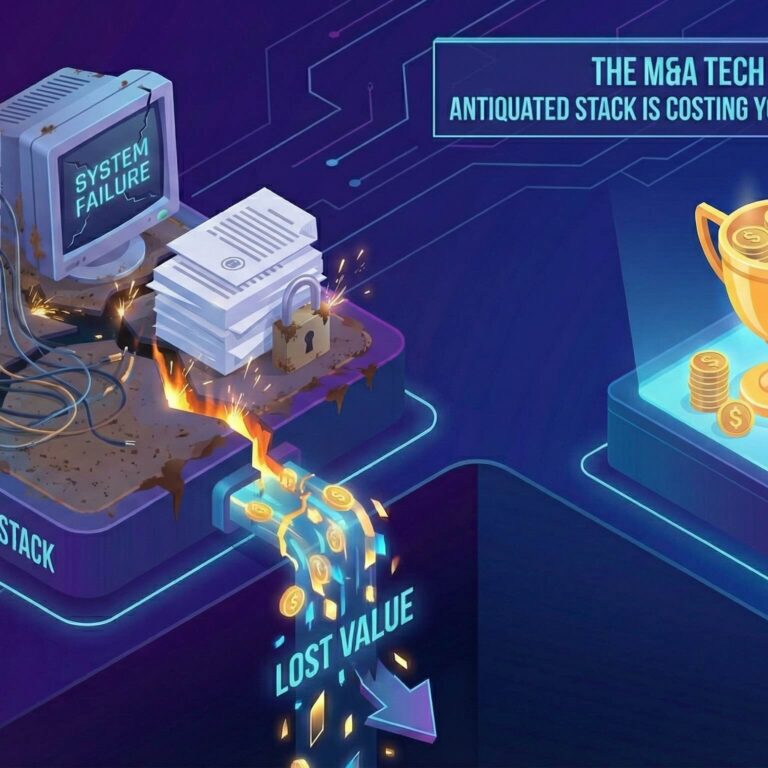
Maximize M&A Deal Value: The Post-Close Integration Blueprint for Advisors
The Integration Mandate Defines M&A Success
The definitive measure of success in mergers and acquisitions (M&A) is not the closing signature, but the seamless post-transaction integration that follows. For M&A advisors and business brokers, securing a premium valuation is only solidified if the acquired assets are successfully assimilated to realize projected synergies. Clients demand operational clarity, and the absence of a structured integration plan is the fastest route to stakeholder anxiety and eventual deal failure. Effective management of this critical phase is crucial for maintaining credibility and ensuring sustained deal confidence across all parties.
Strategic Planning Begins During Due Diligence
Effective post-close integration requires preparation that commences long before the Letter of Intent (LOI) is signed. The due diligence phase must extend beyond financial verification to include crucial organizational and cultural assessments. Advisors must proactively identify key integration risk factors, such as incompatible IT systems, disparate compensation structures, or a lack of cultural fit between the seller’s and buyer’s teams. This early identification ensures that integration challenges are scoped and mitigated from the start, significantly enhancing risk reduction and protecting the competitive advantage derived from the transaction.
Establishing a Dedicated Integration Management Office
To coordinate the transition successfully, a dedicated Integration Management Office (IMO) is essential. This central steering committee oversees cross-functional integration work streams, including finance, human resources, operations, and technology. A disciplined IMO provides operational clarity by setting clear milestones, defining accountability metrics (Key Performance Indicators or KPIs), and ensuring rapid decision-making authority within a defined governance structure. This organization minimizes the inevitable disruption associated with combining two entities, thereby reinforcing deal confidence for both the buyer and the seller.
Addressing Cultural And Human Capital Alignment
Integration failure often stems from neglecting the human element. M&A business brokers and advisors must emphasize clear communication and transparent change management protocols with both sets of employees. High-performing seller employees are flight risks if not successfully onboarded, which directly compromises the value of the acquired human capital. Advisors demonstrate credibility by facilitating structured retention plans and actively working to harmonize cultural norms and reporting lines, ensuring that the critical talent necessary for future growth remains engaged. Prioritizing human capital integration safeguards the long-term value thesis of the M&A transaction.
Protecting Your Deal Value Through Execution
What is the biggest threat to realizing projected M&A deal synergies after closing? It isn’t valuation or legal hurdles—it is integration failure. The success of any transaction, from Main Street deals to complex middle-market acquisitions, hinges entirely on the post-close execution. Smart M&A advisors and business brokers recognize that a strategic integration management plan, crafted during due diligence, is the ultimate tool for risk reduction and sustaining client confidence and maximizing deal value.