M&A Tech Strategy: The 5 Tools Business Brokers Can Ignore to Close More Deals
The Essential Pillars Of M&A Technology
For M&A advisors and business brokers, navigating the technological landscape requires discerning what truly enhances deal flow versus what merely creates friction. The core mission is to maximize deal confidence and reduce risk. Essential technologies centralize secure documentation, accelerate due diligence, and provide a competitive advantage. Failure to adopt these fundamentals risks falling behind sophisticated peers and potentially triggering a fear of missing out (FOMO) on premium opportunities due to perceived lack of professionalism.
1. Prioritizing Secure Data Management
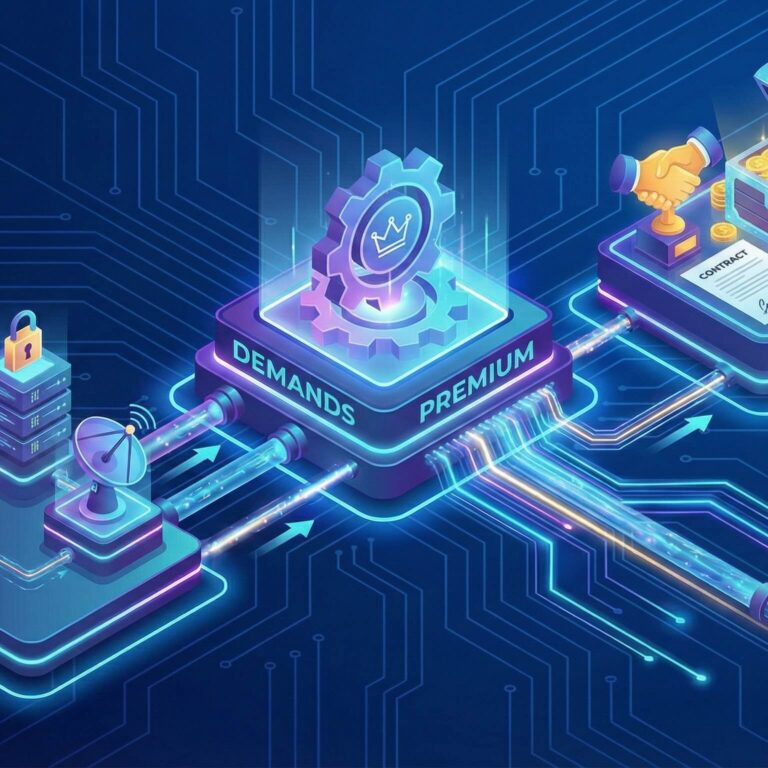
Centralized, secure virtual data rooms (VDRs) are non-negotiable for sell-side M&A brokerage. A robust VDR is the foundation for an impeccable Confidential Information Memorandum (CIM), assuring buyers of data integrity and confidentiality. Sophisticated VDRs allow for detailed audit trails, which significantly reduces risk during the intensive due diligence phase. This technological commitment signals credibility and meticulous operational clarity to prospective buyers and mandates a higher level of preparedness for the selling business. Without this security, the entire transaction faces unnecessary exposure.
2. Leveraging AI For Valuation And Insight
The strategic use of Artificial Intelligence and advanced analytics is moving from optional to necessary in M&A advisory. These tools expedite complex valuation models, offering predictive insights into synergistic opportunities that human analysis may overlook. For instance, AI can quickly flag anomalies in normalized EBITDA or forecast post-acquisition cash flow with greater accuracy. This speed and precision contribute directly to deal confidence and allow M&A brokers to position assets aggressively and credibly in the market. Brokers who fail to utilize such technology risk making valuations based on outdated or incomplete data, diminishing their competitive edge.
3. The Efficiency Trap: When Simplicity Wins
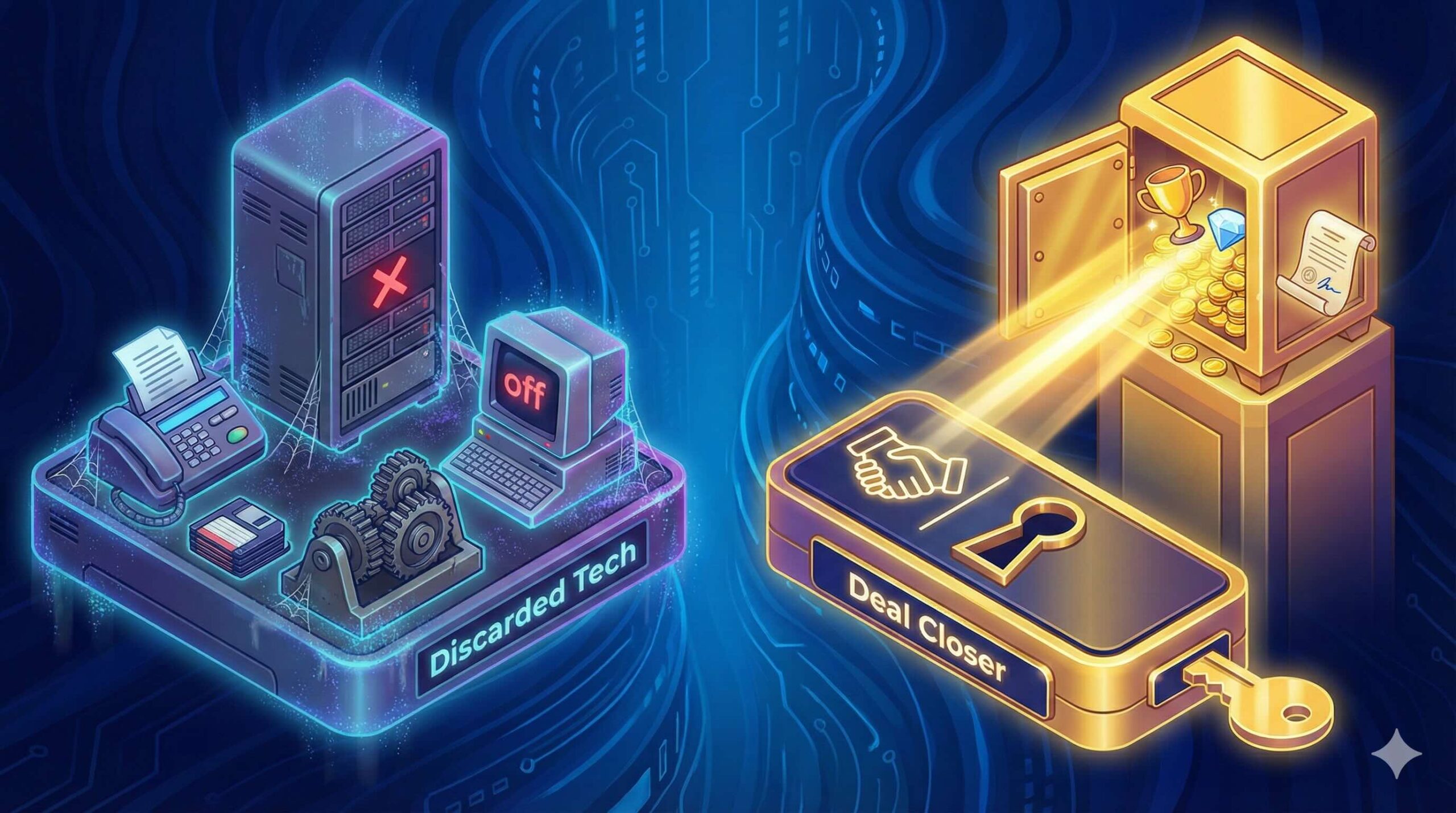
While core technologies drive value, M&A professionals must resist the urge to integrate technology for technology’s sake. Overly customized Customer Relationship Management (CRM) systems or nascent, complex technologies like premature blockchain integration can introduce unnecessary complexity and operational drag. The goal is efficiency, not complication. Brokers must focus on lean, functional interfaces that enhance productivity without overwhelming the deal team with superfluous features. Excessive, non-essential tech can distract from the critical task of nurturing client relationships, which remains paramount to a successful M&A practice. Strategic restraint in technology adoption is as vital as aggressive adoption of essentials.
4. Effective Technology Integration
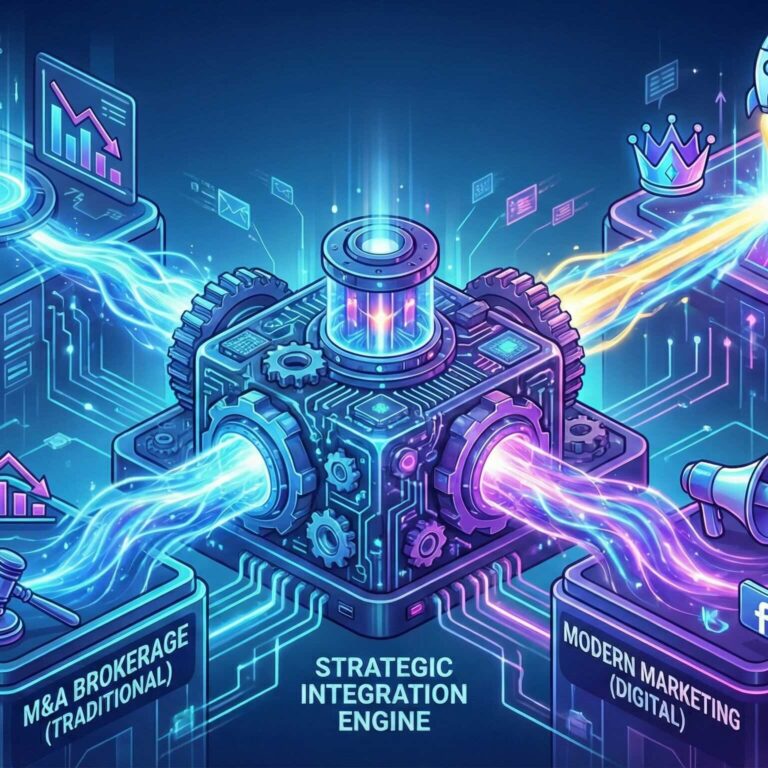
Effective technology integration in M&A is not about accumulating tools; it is about strategically deploying systems that directly reduce risk, elevate professional credibility, and accelerate the deal cycle. Mastery of these key differentiators ensures M&A brokerage firms remain competitive in a landscape increasingly defined by digital fluency.
5. Maximizing Competitive Advantage
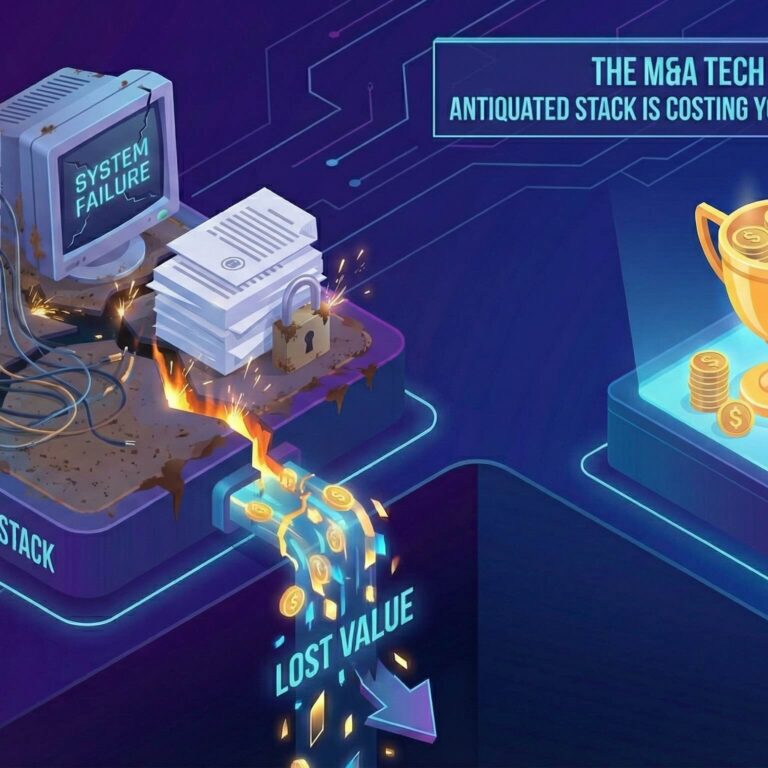
Is your M&A tech stack built for peak efficiency or is it slowing down your deal pipeline? For M&A advisors and business brokers, the line between essential technology and distracting clutter is razor-thin. Ignoring critical tools like secure VDRs or AI-driven analytics can directly compromise deal confidence and increase risk. Conversely, overcomplicating your processes with non-essential, trendy software is a mistake many firms make. Learn which technologies are must-haves for maximizing your competitive advantage, and which ones you should immediately discard to keep your focus sharp and your deals moving.